What is Coding? A Guide for Absolute Beginners
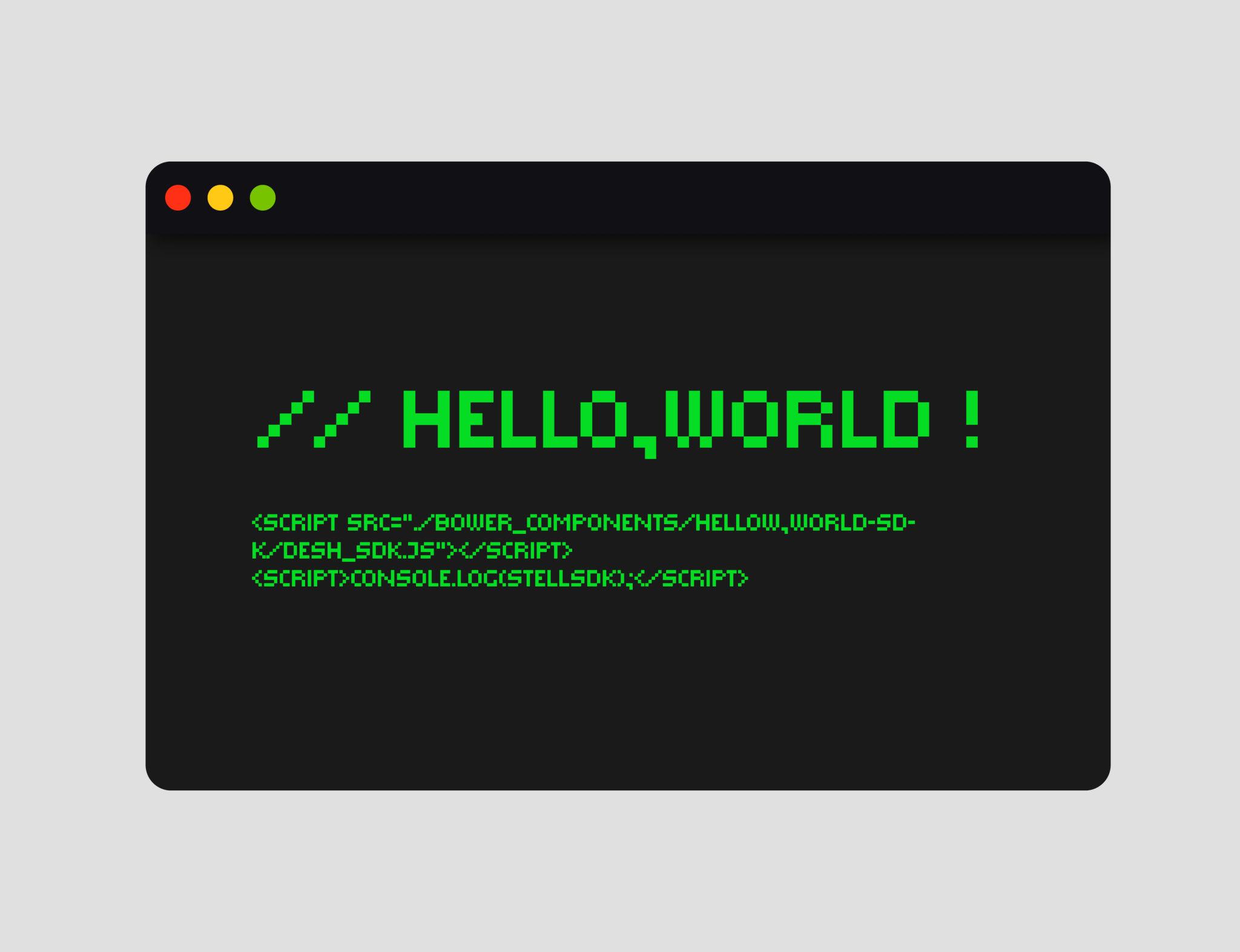
Every time you tap an app or open a website, something invisible follows your command. Screens respond. Data moves. Decisions are made in milliseconds. That invisible layer is not magic — it is coding.
Coding is the process of turning human intent into machine action. Computers don’t think, guess, or understand context. They only follow instructions — exactly as written. What feels intelligent on the surface is often just simple logic executed at massive speed.
If you’re new to this, the symbols and syntax can look overwhelming at first. That’s normal. By the end of this guide, you won’t just know what coding is — you’ll understand how computers actually follow logic, and what’s really happening when you write your first line of code.
The Bridge Between Humans and Machines
Computers are incredibly fast, but they aren't "smart" in the way humans are. They do not understand English, French, or Spanish. They only understand Binary—a stream of On and Off signals, represented as 0 and 1.
Imagine trying to write a letter using only zeros and ones. It would be impossible for a human to do efficiently. This is where coding comes in.
Coding (or Programming) is the process of writing instructions in a language that looks like human language (like English) which is then translated into machine code (binary) that the computer understands. It acts as a translator, bridging the gap between human thought and machine execution.
How Code Works: The Recipe Analogy
Think of a computer as a very obedient chef in a kitchen. The chef is capable of cooking anything, but they do not know any recipes.
You are the author of the recipe book (the Programmer).
- The Code: The recipe instructions (e.g., "Slice the tomatoes," "Boil the water").
- The Compiler/Interpreter: The translator who reads your recipe and explains it to the chef in a way they understand.
- The Output: The delicious meal (or the running software).
If you make a mistake in the recipe—like forgetting to turn on the stove—the chef stops working. In coding, we call this a Bug.
Key Concepts Every Beginner Should Know
Before you dive deep, there are three fundamental pillars of coding logic that remain constant, regardless of the language you use:
1. Variables
These are containers for storing data. Imagine a box labeled "Score" where you keep a number. You can take the number out, change it, and put it back.
2. Loops
These allow you to repeat an action multiple times without rewriting the instruction. For example, telling the computer: "Send this email to 100 people" instead of writing "Send email" 100 times.
3. If-Else Statements
This is decision-making logic. It works like real life:
- IF it is raining, take an umbrella.
- ELSE, leave it at home.
Your First Line of Code
Theory is essential, but practice makes perfect. Let's look at a real example using Python, one of the most popular and beginner-friendly languages in the world.
We will create a simple variable and tell the computer to print a message to the screen.
# This is a Python script
# We are creating a variable called 'greeting'
greeting = "Hello, World! Welcome to The Xizoa."

# Now we ask the computer to display what is inside the variable
print(greeting)

# We can also do basic math
x = 5
y = 10
result = x + y

print("The result is:", result)
What just happened?
- We stored the text "Hello, World! Welcome to The Xizoa." inside a container named
greeting. - We used the
print()function to show that text on the screen. - We performed a simple calculation (5 + 10) and printed the answer (15).
Why Should You Learn to Code?
You do not need to become a professional software engineer to benefit from coding. Learning the fundamentals helps you:
- Think Logically: It teaches you how to break big problems into small, solvable steps.
- Automate Tasks: Imagine writing a script to organize your files or send emails automatically.
- Create Value: You can build websites, apps, or games that people all over the world can use.
Conclusion
Coding isn’t about memorizing syntax or becoming a software engineer overnight. It’s about understanding how instructions turn into outcomes. Once you grasp that relationship, computers stop feeling mysterious and start feeling predictable.
You don’t need to know everything to begin. You just need to understand how one instruction leads to another. That single idea is the foundation behind every app, website, and system you use daily.
If you can follow logic, you can learn to code. The rest is practice.
Try Your First Code
Type your first line of code below and click Run.
Disclaimer: This code is for educational purposes.